
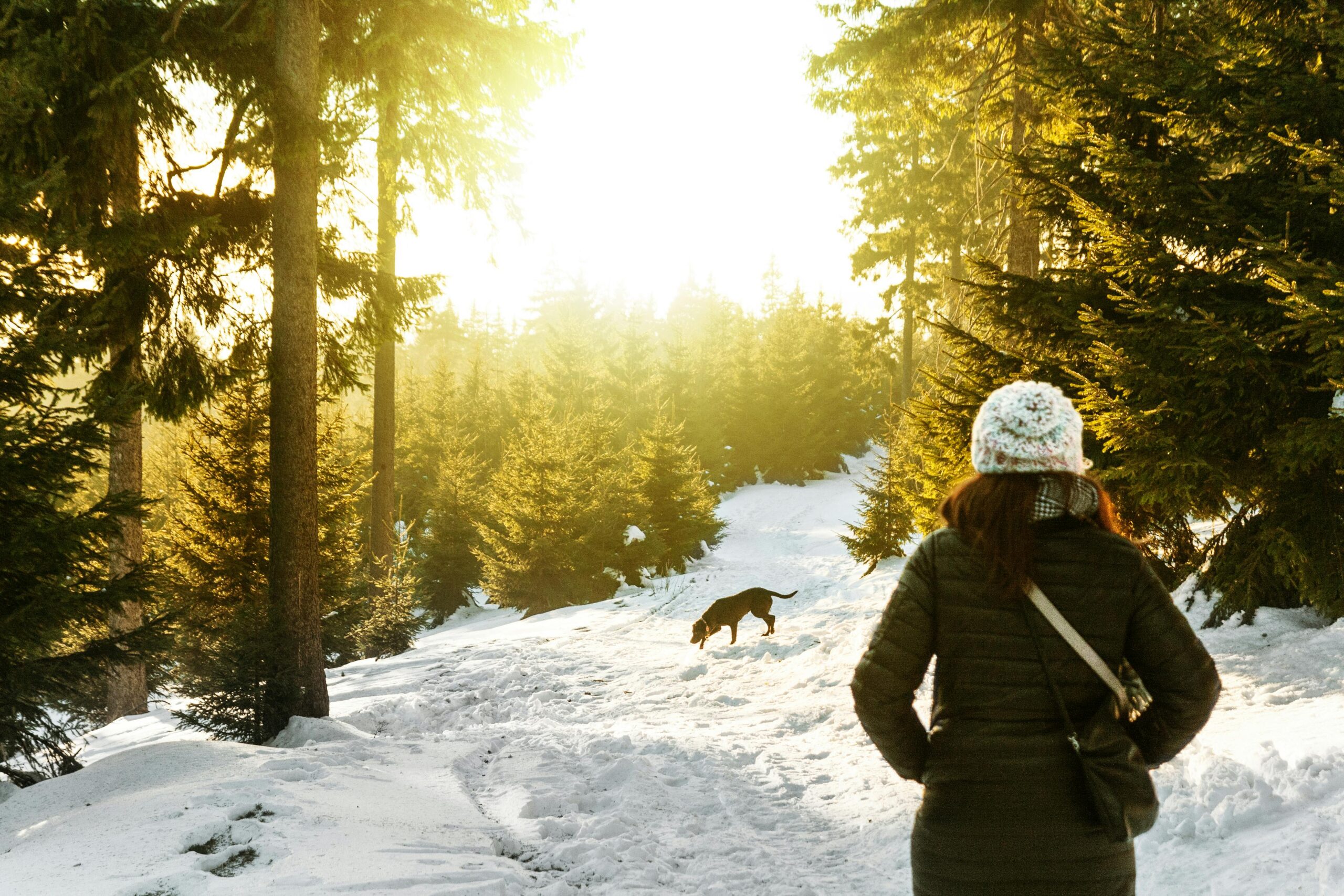
When the snow starts falling and the days get shorter, many Cleveland dog owners assume training should take a back seat. But winter is actually one of the best times to focus on obedience and build lasting habits.
With fewer outdoor distractions and more indoor time, your dog can learn to focus, relax, and strengthen their bond with you. Winter isn’t a break, it’s an opportunity to get ahead.

Why Training in Winter Works So Well
When the busy energy of summer fades, dogs become more receptive to focused, structured sessions. Cooler weather also limits outdoor distractions, making it easier to reinforce good behavior and polish old skills.
Winter training helps with:
- Improving obedience without overstimulation
- Building calm behavior indoors
- Reducing boredom and destructive habits
- Strengthening trust between dog and owner
In our post on how to help your dog love grooming, we talk about how small, consistent routines build comfort and confidence. That same consistency is what makes winter training so powerful.
Indoor Training Focus
Your home offers the perfect environment for repetition and reliability. You can use hallways for recall practice, living rooms for “place” training, and kitchens for impulse control work.
Keep sessions short (10 to 15 minutes) and reward calm, focused behavior. The quieter environment helps your dog internalize commands faster.
Don’t Skip Outdoor Practice
Even in the cold, short outdoor sessions are valuable. Bundle up, grab some high-value treats, and work on leash manners, recall, and duration exercises.
Our Basic & Advanced Obedience Program gives Cleveland families the tools to handle obedience in any season. Once your dog masters control inside, the outdoors become far easier to manage.
Building Endurance and Confidence
Many dogs find cold surfaces or icy textures uncomfortable at first. Training through these sensations helps build resilience and confidence.
- Encourage slow introductions to snow by rewarding calm curiosity.
- Practice obedience on cleared paths before venturing into deeper snow.
- Always monitor for cold-related stress like paw lifting or shivering.
A little patience goes a long way in building a confident, weather-tolerant dog.
Expert Insight
The AKC’s Complete Guide to Traveling With Your Dog highlights how structure and consistency create calm, adaptable dogs, especially in new or unpredictable environments. Those same principles apply during winter training, where controlled, repetitive sessions yield big improvements.
Cleveland Success Story
A client of mine, Lisa, used the winter months to focus on her Husky’s leash manners. By practicing daily “heel” and “stay” sessions inside, then transitioning outside for short walks, her dog went from a chronic puller to a calm walking partner by spring.
Lisa later said, “Winter training changed everything. It gave us focus and control when the world was quiet.”
Checklist: Winter Training Essentials
- Practice short, daily obedience sessions indoors
- Use toys or puzzles for mental enrichment
- Reward calm indoor behavior regularly
- Keep sessions upbeat and consistent
- Do quick outdoor refreshers for variety
- Maintain a structured daily schedule
FAQs About Winter Dog Training
- Can dogs still train outside in cold weather?
Yes. Short, structured sessions are safe and help prevent winter boredom. - What if my dog hates the snow?
Start with quick outdoor breaks and gradually extend them as your dog adjusts. - Should I keep my dog active indoors?
Absolutely. Play fetch down a hallway or practice obedience drills for exercise and focus. - What skills are best to train in winter?
Focus on commands like place, recall, and leash control, skills that strengthen discipline year-round.
Final Thoughts
Winter is not the off-season for dog training. It is the ideal time to reset, focus, and reinforce obedience in a calm environment. By spring, your dog will be sharper, calmer, and more reliable than ever.
If you want to make the most of the winter months, our Cleveland trainers can help design a customized obedience plan for your dog. You can start today by visiting our contact page to schedule a consultation.